Is Heated Self Storage Worth It in Anchorage? What Alaska Winters Do to Your Belongings
Alaska winters can quietly destroy belongings stored in a standard unit, and knowing how freeze-thaw damage works may help Anchorage residents make a smarter self storage decision. This guide covers what extreme cold does to common household items, how heated self storage compares to standard units, and which belongings need temperature protection most.
Anchorage, AK, sits in a subarctic climate where winters are long, dark, and consistently below freezing. The freeze-thaw cycle is real; it is relentless, and it can silently ruin what you thought was safely tucked away.
What Do Anchorage Winters Actually Do to Stored Items?
Average daytime temperatures in January typically sit around 22°F, with overnight lows near 10°F. Cold snaps can push well below 0°F, meaning a standard unheated unit can drop to the same temperature as the air outside. When temperatures swing repeatedly through freezing and thawing, materials expand and contract. Over weeks and months, that stress adds up.
Here is what commonly suffers:
- Electronics: LCD screens can crack when liquid crystal fluid freezes. Batteries may fail permanently. Circuit boards can develop condensation damage as units warm back up.
- Wood furniture: Solid wood and plywood can warp, split, or crack as moisture in the grain freezes and expands. Glued joints are especially vulnerable.
- Photographs and documents: Paper absorbs moisture during thaw cycles. Ink can smear, pages can stick together, and photos may develop mold over a full Anchorage winter.
- Musical instruments: Guitars, violins, and other wood instruments are prone to cracking and neck warping in cold, dry storage.
- Clothing and linens: Condensation during thaw cycles can encourage mildew, especially in tightly packed boxes.
- Seasonal gear: Rubber components on ski boots and wetsuits can become brittle and crack. Composite materials in poles and gear bags may degrade.
- Candles and cosmetics: Both can freeze solid, losing their original shape or texture.
The risk is not a single hard freeze. It is the repeated cycle from October through April, when Anchorage sees sustained below-freezing temperatures across roughly six months.
Is a Heated Storage Unit Worth the Cost in Anchorage?
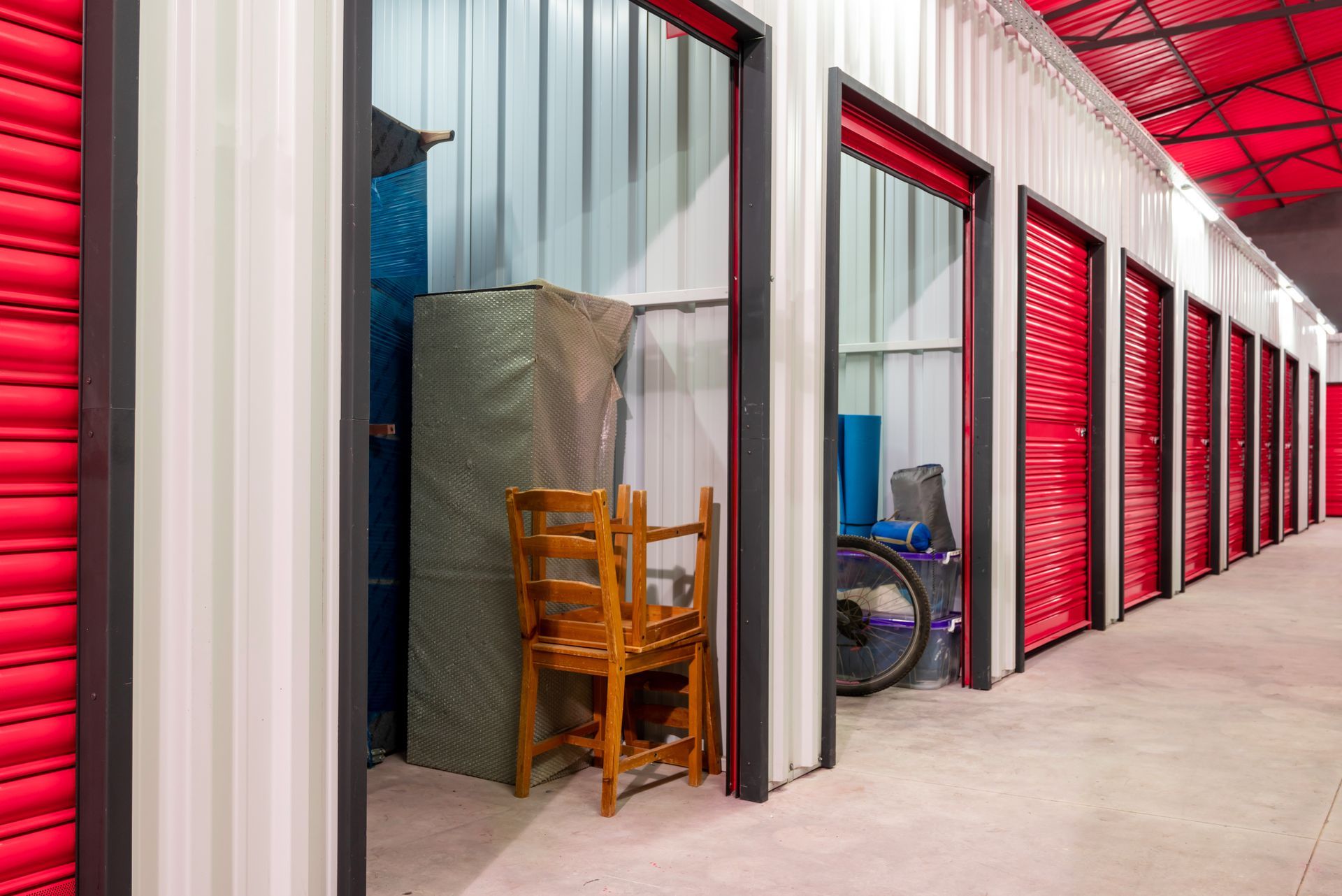
For many items, yes. A heated self storage unit keeps temperatures stable enough to prevent freeze damage throughout an Anchorage winter. For belongings that react poorly to temperature swings, that protection may be the difference between retrieving items in good condition and finding them ruined.
Standard units are a practical choice for items that tolerate cold well. Metal tools, snowmachines, fishing gear in hard cases, and most outdoor equipment can generally handle an unheated winter without significant damage. Vehicles, trailers, RVs, and boats are also typically stored in standard or uncovered units.
Heated self storage makes the most sense for:
- Electronics, monitors, televisions, or gaming equipment.
- Wood furniture, antiques, or family heirlooms.
- Musical instruments.
- Photographs, artwork, or important documents.
- Clothing stored in cardboard boxes.
- Wine, cosmetics, or candles.
The more irreplaceable or temperature-sensitive the item, the stronger the case for a heated unit.
What Is the Difference Between Heated Storage and Standard Storage?
Heated self storage maintains a consistently warmer interior, preventing temperatures from dropping to outside levels during winter. Standard units offer no temperature regulation and will reflect outdoor conditions. In Anchorage, that can mean months of sub-zero exposure for anything left inside.
What Items Can I Store in a Non-Heated Unit in Anchorage?
Hard, cold-tolerant items tend to do well in standard units. Metal equipment, snowmachines, most vehicles, landscaping tools, plastic bins of clothing, and non-electronic outdoor gear are generally good candidates.
How Long Is Anchorage's Cold Season for Storage Purposes?
Sustained freezing temperatures can begin as early as late October, and the risk of freeze-thaw damage generally persists through early April. That is potentially six months of cold-weather exposure for items in a non-heated unit.
A Smart Storage Checklist Before Anchorage's First Freeze
- Identify which stored items include electronics, wood furniture, or paper.
- Consider whether any items are irreplaceable or expensive to replace.
- Ask the facility whether heated units maintain a consistent minimum temperature through winter.
- Plan to visit your unit in late fall to confirm items are properly packed and elevated off the floor.
- Use plastic bins instead of cardboard for any unit type.
Reserve a Heated Unit Before the Anchorage Winter Hits
When Anchorage temperatures drop, being in the right unit matters. Storite Storage has been locally owned and operated on the corner of Jewel Lake Road for over 30 years, helping Anchorage residents protect what matters most through every Alaska winter. The facility offers heated options well-suited for electronics, documents, and anything vulnerable to a freeze-thaw cycle, alongside standard units for gear and vehicles that tolerate the cold just fine.
Ready to find the right fit? Explore your options on the
self-storage units page, or
contact the team to ask about heated unit availability. You can also call
(907) 248-0111 to speak with someone directly. Find
Storite Storage on Google to read reviews and get directions.